
If you want your fitness business to thrive, mastering gym retention is non-negotiable. Getting new members through the door is only half the battle. The real success happens when those members stay, engage, and become loyal fans of your gym. Retention is not about luck or hoping people stay motivated. It is about creating systems, experiences, and emotional connections that make your gym the place they never want to leave.
This blog post breaks down dozens of practical, creative, and proven ideas that help gyms improve retention, create community, and keep members excited to come back.
Key Takeaways
This blog post is packed with retention ideas across every important category, including:
- Onboarding strategies that help new members feel confident and supported.
- Community-building ideas that strengthen emotional connection.
- Reward systems and recognition frameworks that motivate consistent attendance.
- Coaching and staff development approaches that deepen member relationships.
- Communication strategies that keep members engaged and informed.
- Pricing and membership flexibility tactics that reduce cancellations.
- Recovery, wellness, and lifestyle support that help members see results faster.
What Is Gym Retention?
Gym retention is the strategy and ability to keep your members actively using your facility over time. It is not just about preventing cancellations. It is about creating an environment where people stay consistent, feel supported, and actually enjoy coming to the gym.
Strong retention means members build habits, form relationships, see results, and feel connected to your brand. When retention is high, revenue becomes more predictable, the community becomes stronger, and your gym grows through loyalty instead of constantly chasing new sign-ups.

50 Gym Retention Strategies
Here are our favorite gym retention strategies. Select a few, try to implement them in your business, and watch your retention improve.
#1 Welcome Calls for New Members
A welcome call is one of the simplest and most powerful retention tools. It feels personal. It cuts through noise. It tells the new member, “This gym actually cares about me.”
Most gyms skip this, which is why it instantly differentiates you.
Here is a simple script that works well:
“Hey [Name], welcome to [Gym Name]! I’m [Coach/Manager]. I just wanted to say how excited we are to have you here. What motivated you to join? That makes total sense. Based on your goals, I suggest starting with [class type or workout suggestion]. If you ever feel unsure or stuck, message us. We are here for you. See you soon.”
The easiest way to implement this retention strategy:
- Assign one staff member each day to call new sign-ups.
- Keep calls to two or three minutes for consistency.
- Reserve a small daily block of time for these calls.
- If calling is difficult, send voice notes through SMS or WhatsApp. It still feels personal and intentional.
#2 30-Day Success Check-Ins
The first 30 days determine whether someone becomes a long-term member or a quick cancellation. A check-in during this period helps prevent fading motivation at the exact moment it dips.
Most cancellations happen early for a few reasons:
- Members feel lost.
- Results come slower than expected.
- Routines are not fully formed.
- No one notices their absence.
Check-ins do not need to be complicated. For example:
- SMS message: “Hey [Name], how is week three going? Anything you need help with?”
- Quick call: Ask about wins, frustrations, and next steps.
- In-app message: Share updated workout suggestions.
- In-person: Trainers can say, “I have not seen you lately. How are you feeling?”
How to notice clients who may cancel:
- Someone drops from their usual three visits per week to one or zero.
- They have not checked in for seven to ten days.
- They stop engaging with your app or class schedule.
- They look discouraged or disconnected when they are in the gym.
What you can do to get them back:
- Send a friendly message: “Hey [Name], I noticed you have been away. Everything alright? Want help getting back on track?”
- Offer a fresh start with a new program or challenge.
- Provide a quick win through a free PT tune-up.
- Reconnect them to their original goal: “You said you wanted to get stronger by summer. Want to revisit your plan?”
The easiest way to implement this strategy:
- Set automated alerts for low attendance.
- Build check-ins into the new member journey such as Day 7, Day 14, and Day 30.
- Block ten minutes per day for staff to send messages.
- Use simple templates to keep the process consistent.
#3 Onboarding Workout Plan
People quit when they feel overwhelmed or embarrassed. A starter plan replaces confusion with clarity. It gives members something structured to follow, which increases early wins and early wins drive retention.
Onboarding sets the tone for the entire membership. It shows you are professional. It creates expectations. It removes uncertainty. Most gyms fail not because workouts are bad but because the member never feels guided.
The easiest way to implement this strategy:
- Create a small library of starter plans: Beginner, Strength, Weight Loss, Mobility, Class-Based.
- Automatically email or print the plan after sign-up.
- Review it quickly during the welcome call or intro session.
- Add a QR code that links to video demonstrations.
#4 Intro PT Session
A short session with a coach can completely shift how a new member feels about the gym. Ten to fifteen minutes of real guidance builds connection, confidence, and trust.
Why this is important:
- Members learn proper form early, which prevents injuries and boosts confidence.
- They experience the value of coaching instead of guessing.
- They build rapport with staff, and relationships create long-term loyalty.
- They feel supported rather than left alone on the gym floor.
When members experience coaching, they see faster progress. Faster progress leads to stronger motivation. Motivated members stick around. Many long-term PT clients start with one great intro session.
Possible challenges with this approach:
- Staff availability can get tight without good scheduling.
- High-traffic gyms might struggle to deliver intro sessions fast enough.
- Some coaches might turn the session into a sales pitch instead of a genuine service.

#5 Accountability Buddy Matching
Gyms thrive when people feel connected to each other. Accountability buddies make workouts more fun and significantly more consistent.
Why this works for retention:
- Members show up because someone else is expecting them.
- They feel socially anchored to the gym community.
- Training becomes a shared experience rather than a solo chore.
- Social belonging is one of the strongest predictors of long-term membership.
How to encourage people to bring a workout buddy:
- A free week for a friend.
- Bring a friend workout event.
- A buddy challenge where teams of two compete.
- A special class that requires partners.
Other ways to match people with a buddy:
- Coaches can match people with similar goals or schedules.
- Use surveys that ask “Do you want an accountability partner?”
- Pair members who attend the same class time.
- Host quick meet and greet warm-ups.
- Create a whiteboard or online board where members can write that they are looking for a buddy.
#6 Attendance Milestone Rewards
Members love visible progress. A milestone reward turns a simple check-in into a small victory. It builds positive momentum, creates a sense of accomplishment, and makes people feel like the gym is paying attention.
What kind of rewards can you give:
- Free smoothie or protein sample.
- Guest pass for a friend.
- Stickers or badges.
- Small discount on merch.
- Free mobility or stretching session.
- Shoutout on your digital screen or social media.
Give at least one reward early.
If a member gets a milestone reward within their first few weeks, it sets a positive expectation. They think, “This gym celebrates my wins.” That early reinforcement helps them build a routine and feel connected to your community.
#8 Goal Review Sessions Every 8 Weeks
Members quit when they feel stalled. A review session reminds them of their progress and gives them a new direction. When you help people see wins, they regain motivation and stay committed.
The goal is simple. Keep members moving forward. You want to:
- Celebrate small wins.
- Identify challenges.
- Adjust the workout plan.
- Set a new short-term target.
What challenges you could face:
- Scheduling sessions can get messy.
- Some members might ignore invitations.
- Staff may treat it as a routine task instead of a coaching moment.
How to implement this the easiest way:
- Send automatic reminders after every 24 to 30 visits.
- Block a small weekly time window for coaches to run reviews.
- Create a simple template: wins, struggles, adjustments, next goal.
- Keep sessions short. Ten minutes is often enough.

#9 Flexible Membership Upgrades
People do not just quit because of money. They quit because of friction, confusion, or feeling trapped. Clear pricing makes people feel in control, which increases long-term loyalty.
If members want more or less and can adjust easily, they stay longer. For example:
- Someone training more often can upgrade instantly.
- Someone going through a busy month can downgrade without stress.
Why clear and easy-to-understand pricing is key:
Complicated pricing scares people. Simple pricing empowers them. If members understand their options in ten seconds, they trust the process. Trust drives retention.
#10 Downgrade Instead of Cancel
Offering a downgrade or a pause plan gives members an alternative to quitting. Many cancellations happen simply because members think leaving is the only option.
Why this option can work:
Life gets chaotic. Kids, travel, injuries, work stress. When members know they can reduce their plan instead of quitting, they stay connected to your brand. A paused or lite membership keeps the relationship alive, and members often return to full membership when life stabilizes.
#11 Birthday Workouts or Gifts
Birthdays are natural moments of reflection. People think about their goals, their health, and their future. When your gym acknowledges that moment, it instantly feels more personal. Members think, “They remembered my birthday,” which increases belonging and lowers the chance of cancellation.
Ideas for birthday gifts:
- Free shake or smoothie.
- Guest pass for a friend.
- A small merch item such as socks, a shaker bottle, or a sticker pack.
- A free mobility or stretching session.
- A digital card with a personalized message from a coach.
- A badge or recognition on your in-gym screen or social page.
Easiest way to collect birthday data:
- Add a birthday field on your membership form.
- Add a birthday field in your mobile app or onboarding questionnaire.
- Import birthday data from your billing software if available.
#12 New Class Taste-Tests
When members get early access, they feel valued. They feel like insiders. They feel like their feedback matters. This boosts their attachment to the gym. It also makes them more likely to attend regularly because they helped shape something new.
Members love being asked, “What did you think of the new class?” It creates ownership. Ownership leads to loyalty.
Benefits of this approach for you:
- You can test interest before committing to a full schedule change.
- You can gather direct feedback on class difficulty, pacing, and style.
- You avoid launching unpopular classes that waste instructor hours.
- You create hype for future launches.
- You build community involvement without needing expensive marketing.
#13 Bring-a-Friend Week
Bring-a-friend promotions are powerful because they strengthen your community from the inside. They also naturally expand your member base without aggressive selling.
How often to run this promotion:
A good rhythm is once per quarter. This keeps it special without flooding your gym with too many guests. You can also tie it to seasonal themes such as spring kickoff, summer reset, back-to-gym season, or New Year momentum.
Strategies to turn guests into members in a natural way:
- Offer a “guest-only challenge” that continues after the free week.
- Give guests a small welcome card with a free PT mini-session.
- Provide a simple “start today” discount that expires within 48 hours.
- Ask members to share their favorite class with their friend.
- Send a post-visit text asking the friend how their experience was and offer help.

#14 Post-Workout Shake Discounts
You are helping members recover better, improve results, and save money at the same time. When they grab a shake, they often stay to chat with staff or other members. These moments build community and make the gym feel more like a second home.
Best ways to promote it:
- Put signs near the exit or in the locker room.
- Have coaches mention it after class.
- Send a weekly text reminding members of the discount.
- Offer a “shake of the month” for variety.
- Add a loyalty punch card for shakes.
#15 A Clean, Good-Smelling Gym
Cleanliness is the most basic retention requirement. If your gym smells bad or feels dirty, people will leave, no matter how good your programming is.
There is no complex strategy behind this. A clean gym is simply non-negotiable. Members expect it. A bad smell or dirty machine can undo months of hard work. A spotless environment signals professionalism and makes the member feel comfortable.
#16 Fresh Music Playlists Monthly
Music sets the tone for the entire workout experience. Updating playlists regularly is one of the most overlooked ways to improve member satisfaction.
If someone hears the exact same playlist over and over, it becomes irritating. It may not cause a cancellation on its own, but it can be the final straw that pushes someone to look for a gym with a fresher feel.
#17 Instructor Personality Training
Humans naturally bond with people who show warmth, confidence, and enthusiasm. This emotional bond makes the gym feel like a community rather than a chore. When instructors create micro relationships with members, retention jumps.
How to help staff become unforgettable:
- Teach instructors to learn names.
- Encourage positive energy and consistent greetings.
- Train them to give one personalized cue or compliment each class.
- Provide workshops on communication and presence.
- Let instructors express their personalities instead of being robotic.
#18 Weekend Skill Workshops
When members learn a new skill, they feel progress. Progress builds motivation. Motivation keeps them coming back. Workshops also create strong social bonds, which act as retention glue.
Types of workshops you can run:
- Handstands and inversion basics.
- Kettlebell technique sessions.
- Barbell fundamentals.
- Mobility and stretching clinics.
- Core training and stability workshops.
- Running form and breathing technique sessions.
How to organize these workshops (Checklist)
- Planning:
- Select a skill that matches member interest.
- Assign a knowledgeable coach.
- Choose a date and time with good attendance potential.
- Preparation:
- Create a simple lesson plan.
- Prepare necessary equipment.
- Set a clear goal for participants.
- Promotion:
- Announce the workshop two weeks ahead.
- Send reminders via email, text, and social media.
- Personally invite members who would benefit.
- Execution:
- Run a friendly introduction.
- Teach core concepts with hands-on coaching.
- Allow time for questions.
- Follow-up:
- Send a recap or mini video.
- Invite participants to the next workshop.
#19 Nutrition Mini-Coaching
Most members struggle with nutrition more than training. When you support them with guidance, they see better results. Better results lead to longer retention.
How these complement, not replace, personalized nutrition plans
Mini-coaching sessions are meant to educate, not customize. They help members understand basics such as protein needs, hydration, portion control, and pre or post workout nutrition. These sessions can naturally lead to upsells for members who want more detailed, individualized help.
Mini-coaching can be done in person, but digital delivery increases reach and consistency. You can share:
- Short PDF guides.
- Quick video explanations.
- Email series that drip useful tips.
- App-based nutrition checklists.
#20 Better Front Desk Greetings
People respond to energy. A warm greeting makes them feel welcomed. A neutral or cold greeting makes them feel like an inconvenience. Over time, this emotional tone influences how connected they feel to the gym.
The difference between good and excellent front desk
- Good: Staff says hello but without much personality.
- Excellent: Staff uses names, smiles, and shows genuine enthusiasm.
- Good: Staff checks people in quickly.
- Excellent: Staff asks how their day is going and notices attendance patterns.
- Good: Staff answers questions politely.
- Excellent: Staff anticipates needs and makes helpful suggestions.
How to train your front desk
- Teach them to greet every member within three seconds.
- Train them to learn names and use them.
- Role-play friendly greetings and common scenarios.
- Encourage them to walk from behind the desk when appropriate.
- Provide feedback every week to reinforce standards.
#21 VIP Classes for Long-Term Members
Rewarding long-term members with exclusive classes creates a sense of status and belonging. People love feeling recognized for their loyalty, and exclusivity is one of the strongest motivators.
Ideas for VIP-only classes:
- Advanced strength workshops.
- Technique-focused classes with smaller group sizes.
- Early-access time slots for new formats.
- Recovery sessions with mobility tools or guided stretching.
- Specialty classes such as gymnastics basics, Olympic lifting, or performance conditioning.
Example of what is considered a long-term member
This depends on your business model, but generally:
- Members who have been active for 6 months.
- Members who have attended more than 100 sessions.
- Members who have stayed on a premium membership for a certain period.
#22 Community Facebook or WhatsApp Group
These groups create a sense of belonging. Members ask questions, support each other, share wins, and stay connected with coaches. This reinforces the idea that the gym is part of their identity.
Examples of topics to discuss in these groups:
- Daily wins or workout highlights.
- Nutrition tips and recipe sharing.
- Announcements about classes and events.
- Form check videos.
- Member spotlights.
- Mini challenges such as hydration week or step goals.
- Motivational posts and weekly check-ins.

#23 Ask for Feedback… and Actually Act on It
If you never ask for feedback, small frustrations grow into major complaints. Many cancellations come from unresolved annoyances. But when you ask for feedback and implement changes, members feel respected and valued. They also feel like they are shaping the gym with you.
How to notify members that you heard them:
- Send an email update: “You asked for earlier Saturday classes. Starting next week, we are adding an 8 AM session.”
- Post a sign in the gym: “Based on member feedback, we have upgraded our kettlebells.”
- Share a short video from the owner explaining changes.
- Announce improvements in your social media or WhatsApp group.
#24 Hire Coaches with Magnetic Personalities
A coach with charisma creates emotional connection. Members look forward to seeing them. They feel supported, encouraged, and understood. Training becomes a social highlight instead of a physical task.
How to hire magnetic personalities:
- Look for natural warmth and communication skills.
- Prioritize empathy during interviews.
- Ask candidates how they make members feel welcome.
- Observe how they interact with people in real time.
#25 Regular Equipment Refreshes
Equipment that looks clean, modern, and functional sends a message of professionalism. It shows members that the gym is committed to quality. When equipment becomes worn, broken, or constantly unavailable, the member experience drops quickly.
Members want to feel that the gym is improving alongside them. New or well-maintained equipment signals progress. It also reduces frustration by ensuring everything is functional.
#26 Predictive Churn Outreach
Members rarely cancel suddenly. Their motivation fades gradually. Attendance drops. Engagement slows. When you reach out early, you show care before they mentally check out. This increases the chances of reactivation and reduces cancellations dramatically.
Methods to predict churn:
- Track attendance frequency and flag drops.
- Compare current attendance to the member’s usual pattern.
- Monitor class booking behavior.
- Look for members who miss their regular time slot consistently.
- Identify lack of engagement with your app, challenges, or events.
- Survey members occasionally and track negative sentiment.
What you can do to prevent churn:
- Send a friendly check-in message such as “Hey [Name], noticed we haven’t seen you. Anything we can help with?”
- Offer a free PT tune-up or quick form check.
- Suggest a fresh program or class type.
- Invite them to a challenge or workshop to reignite interest.
- Remind them of their original goals.
#27 Seasonal Fitness Challenges
When members have a short-term goal tied to a season, they stay focused. Challenges create community engagement and give people a reason to show up consistently. They also help members build habits that continue long after the challenge ends.
Examples of seasonal challenges:
- New Year Kickstart Challenge.
- Spring Reset Strength Challenge.
- Summer Shred or Summer Energy Challenge.
- Fall Back Into Fitness Challenge.
- Holiday Survival Challenge.
- 30-Day Mobility Reset.
- Step Count Challenge for warm months.
- Hydration Challenge for summer.
- Winter Strength Building Cycle.
#28 Personal Win Boards
A win board allows members to write their achievements, no matter how big or small. Seeing their name on the board builds pride and encourages them to keep adding new wins.
This one is easy to implement:
- Install a whiteboard or chalkboard in a visible area.
- Create sections such as “This Week’s Wins” or “My First PR.”
- Encourage members to write a small achievement after class.
- Have coaches highlight wins during sessions.
#29 Staff Remembering Names
Hearing your name creates connection. It makes the member feel recognized and valued. This reduces feelings of anonymity, which is a major factor in early cancellations. A simple greeting like “Good to see you, Alex” builds loyalty, trust, and comfort.
#30 Cancellation Callbacks
You are not trying to hard-sell them. You are reopening the relationship. Many members cancel for temporary reasons such as work stress, moving, injury, or schedule changes. A callback shows that your gym cares about them as a person, not just a number.
Estimated timeline for reaching out:
- Two to four weeks after cancellation for the first message.
- Three months after cancellation for a soft re-invite.
- Six months after cancellation with an update or special event invitation.
How to get people to return:
- Offer a “come back for a week” pass.
- Invite them to a new class, workshop, or challenge.
- Mention new updates or improvements since they left.
- Ask about their goals and offer help if they want support again.
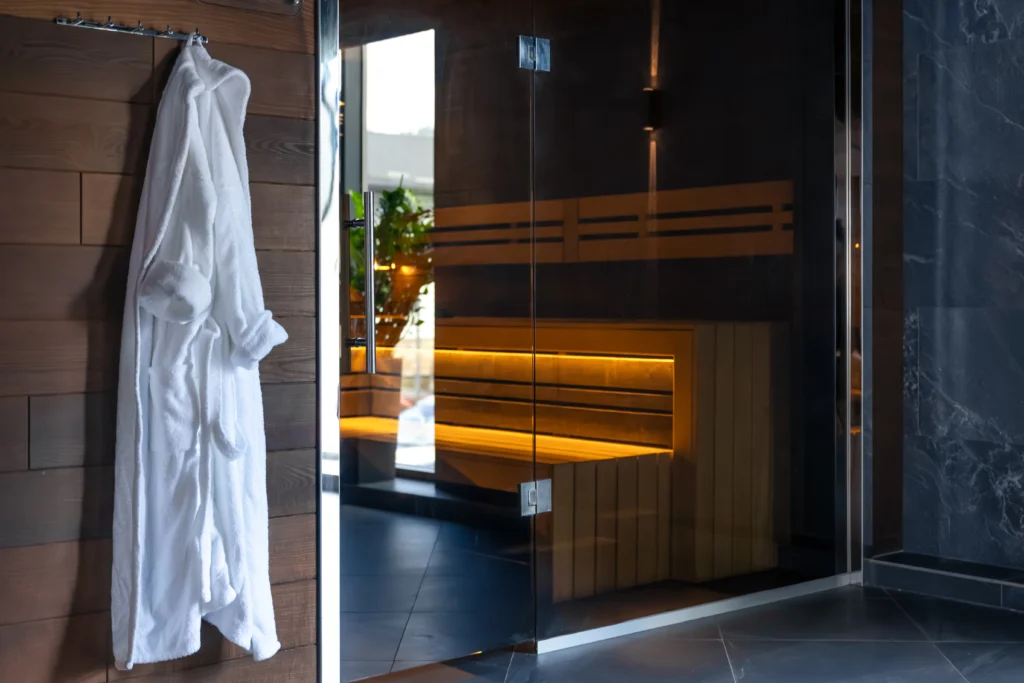
#31 Add a Sauna or Recovery Space
Recovery is a major part of fitness. When members feel better physically, they show up more often. A recovery space also positions your gym as a place that supports total well-being, not just workouts.
Members appreciate recovery tools that feel luxurious and functional. For example:
- Sauna or infrared sauna.
- Cold plunge tub.
- Cryotherapy services.
- Stretching or mobility zone.
- Massage chairs.
- Compression therapy machines.
- Calm lighting and quiet relaxation space.
#32 Offer Short, 20-Minute Express Classes
Quick classes remove the biggest excuse people have: lack of time. A 20-minute session feels achievable, even on busy days. Short formats keep members in motion, and consistency builds long-term results.
How express classes help people stay committed:
- They make fitness feel doable, even with packed schedules.
- Members who attend short sessions often return for longer ones later.
- Small victories build momentum and confidence.
- Even quick workouts deliver noticeable improvements in energy and mood.
#33 Implement Loyalty Program
A well-designed loyalty program rewards members for consistency and long-term commitment. It is one of the simplest and most effective ways to encourage ongoing participation.
Examples of loyalty rewards:
- Free guest passes.
- Discounts on merch or shakes.
- Exclusive access to events.
- Birthday perks.
- Priority booking for popular classes.
Check out here how to build a gym loyalty program.
#34 Payment Reminders with Motivation, Not Threats
You want to maintain trust. Members should never feel attacked or embarrassed by a reminder. A friendly tone helps them feel respected and keeps their emotional connection intact. Tone is a retention tool.
Examples of how to frame these messages:
- “Hey [Name], just a quick heads-up. Your membership payment is due soon. Let us know if you need help with anything. Keep going strong.”
- “Hi [Name], your next payment is coming up. We appreciate you being part of the community. Let us know if you have any questions.”
- “Reminder: your renewal is approaching. We love having you with us. Tell us if we can support you this month.”
#35 New Member Gift Bag
A simple gift bag can make new members feel welcomed and valued. It creates a moment of delight at the very beginning of their journey, which sets a positive tone for the relationship.
Ideas for what to include:
- Stickers with your gym branding.
- Resistance band.
- Water bottle or shaker bottle.
- Towels with your logo.
- Small sample of protein or supplements.
- Class schedule magnet or postcard.
- Welcome card signed by staff.
- QR code linking to beginner guides or videos.

#36 Build In-Gym Photo Spots
People love documenting their fitness progress on social media. A well-designed photo spot gives them a place that looks good, feels intentional, and highlights your gym’s personality. Every shared photo becomes positive reinforcement. Members feel proud of their progress, and pride keeps them coming back.
#37 Offer Recovery Workshops
Recovery workshops help members understand how to balance training with proper rest, mobility, and lifestyle habits. Fitness results depend on more than workouts alone, and members who recover well feel better, perform better, and stay longer.
You can run workshops such as:
- Mobility and stretching fundamentals.
- Sleep optimization sessions.
- Stress management techniques for active people.
- Foam rolling and self-massage basics.
- Breathing workshops for performance and recovery.
- Recovery nutrition basics.
#38 6-Week Transformation Groups
Members work better when they have a start date, an end date, and a clear goal. The short time frame feels manageable and exciting. Group structure increases motivation because people support each other, cheer each other on, and create a sense of shared journey.
Examples of themes:
- Strength builder program.
- Fat loss or muscle toning program.
- Beginners-only transformation.
- Post-summer reset.
- New Year jumpstart.
- Mobility and flexibility improvement.
- Cardio conditioning challenge.
#39 QR Codes on Machines With Quick Tutorials
Many people skip machines because they are unsure about setup or proper form. QR tutorials solve this instantly. Members can scan, watch a quick clip, and start training with confidence.
This is especially effective if your gym has next-generation machines or unique equipment. The QR system becomes part of your value proposition.
#40 Make Monday the Best Day of the Week
Monday sets the tone for the entire week. If members show up on Monday, the rest of the week usually follows. Creating special Monday experiences helps break the “I’ll start next week” cycle that leads to inconsistency and eventual dropout.
Ideas for this approach:
- Special Monday-only class themes.
- “Beat Your Monday Blues” playlist.
- Monday streak rewards.
- Free coffee or hydration drinks after class.
- Monday mobility sessions to start the week fresh.
- Coach shoutouts for anyone attending Monday classes.
- Surprise mini challenges like “15-minute core burner.”
#41 Mini PT Packages
Mini PT packages are small, affordable bundles that introduce members to personal training without the commitment of a long-term package. They reduce the intimidation factor and help members experience the value of coaching.
What you should consider:
- Price it low enough to feel accessible.
- Keep the sessions short, such as 20 to 30 minutes.
- Ensure the PT team is trained to deliver high-value sessions.
- Present the experience as educational, not sales-driven.
- Use it as a bridge to unlock long-term coaching relationships.

#42 Referral Rewards That Actually Matter
Members who bring friends are more likely to stay because they are building a social circle at the gym. Training with people they enjoy strengthens their attachment to the environment. Larger rewards motivate members to make those invitations.
Check out here how to set up a referral program in one afternoon.
#43 Personalized Exit Surveys
The goal is not just to collect data. The goal is to identify patterns that influence cancellation. Personalization increases honesty and clarity. A personalized survey helps uncover the true cause, whether it is scheduling, environment, coaching, pricing, or motivation.
Questions to include:
- What was the main reason you decided to cancel?
- Was there anything we could have done to help you stay?
- How satisfied were you with the coaching and staff?
- Did you feel guided in your fitness journey?
- Were our class times convenient for your schedule?
- How satisfied were you with the cleanliness of the gym?
- Did you experience any frustrations that we may not know about?
- Would you consider returning in the future?
- What is one thing we could improve right away?
#44 Scent Branding
Gyms can and should smell good. A distinct, pleasant scent instantly improves the member experience. People associate smells with memories, which means scent becomes part of your brand identity.
A fresh, clean scent creates comfort, makes the space feel high quality, and removes one of the biggest complaints in fitness environments: bad odors. Members who enjoy the atmosphere are far more likely to stay.
#45 Dedicated Beginner Classes
Beginner classes create a safe, welcoming starting point for people who might otherwise feel intimidated. They help new members build confidence and learn the basics before entering regular classes.
Examples of beginner classes:
- Intro to strength training.
- Beginner HIIT.
- Mobility and stretching basics.
- Low-impact conditioning.
- “First Week Foundations” bootcamp.
#46 Hybrid Online + In-Gym Programming
Hybrid programming allows members to stay on track even when they cannot physically get to the gym. This creates consistency, which is one of the biggest drivers of retention.
Who benefits the most and why it improves retention:
- Busy professionals who travel often or work unpredictable hours.
- Parents who sometimes need at-home options.
- Beginners who want guidance outside the gym.
- Members recovering from injury who need scaled workouts.
#47 Monthly “Ask Your Trainer Anything” Livestream
This livestream removes the barrier between members and your coaching team. It creates a casual, friendly space where people can ask questions they might feel too shy or intimidated to ask in person.
When members have easy access to expert advice, they feel supported. Support leads to trust, and trust keeps members committed. These livestreams give people clarity on form, nutrition, recovery, and mindset, all of which improve results.
#48 Customer Service Training for Every Staff Member
Every staff member is part of the retention team. Whether someone is checking in members, answering questions, restocking towels, or cleaning, the tone they set influences how members feel. Positive interactions build emotional connection, and emotional connection keeps members longer.
#49 “Pay With Attendance” Discounts
This strategy rewards members for showing up consistently by offering surprise credits or small discounts for hitting attendance milestones. It makes membership feel more like a rewards program and less like a bill.
People love earning something for their effort. When they see that their dedication pays off financially, they feel appreciated. It motivates them to keep coming back and reinforces consistent habits.
#50 Onboarding Survey to Identify Motivation Type
Not all members are motivated the same way. Some want weight loss, some want strength, some want community, and some want stress relief. When you tailor messages to their motivation, each touchpoint feels more relevant and personal.
What to include in the onboarding survey:
- Primary goal (fat loss, strength, mobility, general health).
- Preferred training style (classes, weights, cardio).
- Biggest challenge (time, confidence, motivation, knowledge).
- Workout experience level.
- Preferred communication channel.
FAQ
How do you measure gym retention effectively?
You measure retention by tracking how many members stay over a specific period. The basic formula is: members at the end of the month divided by members at the start. Beyond that, the most effective gyms also track first-30-day churn, average membership length, and active attendance rates. These give a clearer picture of member habits and help you identify who needs attention before they cancel.
How much does poor retention cost a gym?
Poor retention leads to lost revenue, higher marketing costs, and weaker community energy. It costs far more to acquire a new member than to keep an existing one, and losing even a handful of members each month can mean thousands in lost lifetime value. Retention problems are silent, expensive leaks that compound over time.
Should gyms offer contracts or no-contract memberships for better retention?
Both can work, because retention depends more on experience than contract structure. Contracts provide commitment and predictable revenue, while no-contract options build trust and attract people who want flexibility.
How do you retain members who are not seeing results?
Members who feel stuck need guidance, not pressure. Revisit their goals, refresh their workout program, offer nutrition support, and celebrate small wins. A quick PT tune-up or progress check can boost confidence and help them move forward again. When people see even slight improvement, they stay committed.